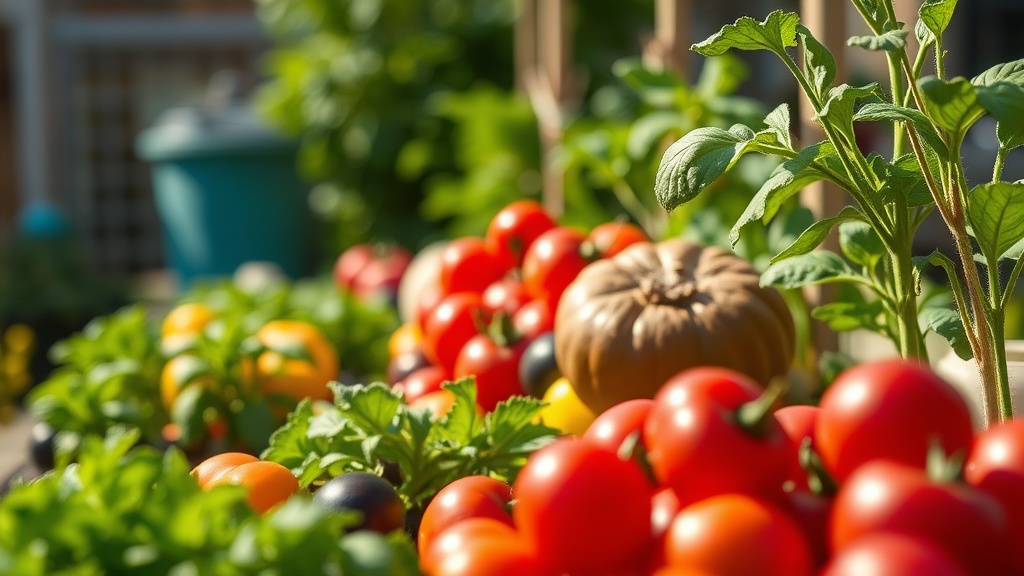
Growing Your Own Vegetables in Beloeil Community Spaces This Year

Joining the community garden scene in Beloeil is one of the best ways to connect with your neighbors while producing fresh food for your family. This guide covers the specific steps required to secure a plot in our municipal gardens and the local rules we all follow to keep our shared spaces thriving. Whether you live near the historical district or in the newer developments, there is a spot for you to get your hands in the dirt. We see more residents every year looking for ways to cut down on grocery bills and enjoy the fresh air right here in our town.
Our community has a long history of valuing green spaces, and the urban agriculture movement in Beloeil is a natural extension of that pride. Taking part in these gardens means more than just planting seeds; it is about contributing to the local ecosystem and meeting people who share your interests. You do not need to be an expert to start. Many of our local gardeners are happy to share tips on what grows best in the specific clay-heavy soil we often find near the Richelieu River banks. It is about the shared experience of watching something grow from a tiny sprout into a full harvest while chatting with the person in the next plot over.
Where can you find available garden plots in Beloeil?
The first thing to know is that Beloeil offers several locations for community gardening, and they are usually managed in partnership with local associations. One of the most popular spots is located near the Centre aquatique Beloeil, which provides a central location that is easy for many of us to reach by bike or on foot. These plots are highly sought after because of their accessibility and the great sun exposure they receive throughout the day. If you live closer to the water, you might want to look into the smaller gardening pockets that pop up near our local parks and community centers like Pointe-Valaine.
We also have gardening opportunities integrated into some of our residential neighborhoods. The city has been proactive about identifying underused patches of land and turning them into productive zones. You should take a walk through your own neighborhood to see if there are any hidden gem plots that you might have missed. Sometimes these are managed by smaller groups of neighbors rather than the main municipal body. Checking the official Beloeil website regularly is the best way to stay updated on new locations as they are added to the municipal registry each spring.
When choosing a spot, consider how often you can realistically visit. A garden plot in Beloeil requires regular maintenance, especially during the hot July weeks when the sun reflects off the pavement and the river breeze might dry out your soil faster than you expect. Picking a location close to home makes it much easier to pop over for a quick watering session after work or early in the morning before the day gets too busy. We want these spaces to stay vibrant and well-kept, so choosing a convenient location is the first step toward a successful season.
What does the registration process look like for Beloeil residents?
Securing your spot starts with a bit of timing and paperwork. Typically, the registration window for Beloeil residents opens in late winter or early spring, well before the ground has even thawed. This is handled through the municipal recreation department or sometimes through a dedicated gardening committee. You will need to provide proof of residency to ensure that these plots remain available for those of us who actually live in Beloeil. There is usually a small fee involved, which covers the cost of water access, shared tools, and the organic compost that the city often provides at the start of the season.
It is important to act fast when the notice goes out in the local newsletter. Because interest in urban farming has spiked lately, the plots in Beloeil often fill up within days of the registration opening. If you miss the initial window, do not worry—you can usually get on a waiting list. People move or find they do not have the time they thought they would, so spots do open up occasionally as the season progresses. Once you are in, you are often given priority for the following year, which allows you to build a long-term relationship with your specific patch of earth.
After you have been assigned a plot, you will likely be invited to an orientation meeting at a local venue like the Bibliothèque municipale de Beloeil. This meeting is where you will get your key if there is a fence, learn about the irrigation system, and sign a code of conduct. These rules are basic but vital: no chemical pesticides, keep your weeds under control, and respect the boundaries of your neighbors. We pride ourselves on having clean, organic gardens that reflect the beauty of our town, so following these guidelines is a big part of being a good community member.
How can we improve our local Beloeil soil for a better harvest?
The soil in our part of Quebec can be a bit tricky. Being so close to the Richelieu River, many areas in Beloeil have soil with a high clay content. This means it holds water well but can become very hard and compacted when it dries out. To get the best results, you will want to work in plenty of organic matter. The city usually provides a big pile of compost at the start of the season for all participants to use. This is a great resource, but adding your own bagged organic soil or well-rotted manure can give your plants that extra boost they need to thrive in our specific climate.
Another thing to keep in mind is the wind. Because Beloeil sits in a relatively flat area near the river, we can get some pretty stiff breezes. This can be tough on tall plants like tomatoes or peppers. Using stakes or small cages is a smart move to keep your crops from blowing over during a summer thunderstorm. Some gardeners in our community even use low-profile covers early in the season to protect young plants from the cool river air that can linger into late May. You can find more technical advice on managing Quebec soil types through resources like Espace pour la vie, which offers great tips tailored to our province.
Rotating your crops is another local secret for success. If you had tomatoes in one corner of your Beloeil plot last year, try putting beans or peas there this year. This helps prevent pests from settling in and keeps the soil nutrients balanced. Since our plots are relatively small, every square inch counts. Many of us use vertical gardening techniques—like growing cucumbers up a trellis—to maximize the space we have. It is amazing how much food you can grow in a small area when you plan it out carefully and take advantage of the long summer days we enjoy here.
Living in Beloeil gives us a unique advantage because of our local microclimate. The proximity to the mountain and the river means we sometimes have slightly different frost dates than Montreal or the eastern townships. We usually wait until at least the third week of May to put the sensitive plants in the ground. Keeping an eye on the local weather station is better than following a general provincial guide. If a surprise frost is predicted, you will see many of us out in the community gardens late in the evening covering our seedlings with old bedsheets or specialized garden fabric. It is all part of the local rhythm of life that makes gardening here so rewarding.
Sharing the surplus is the final step in the process. Often, we find that we have grown way more zucchini or lettuce than one family can eat. This is where the true spirit of our Beloeil community shines. We have local food banks and community fridges that are always happy to take fresh, locally grown produce. Instead of letting those extra vegetables go to waste, consider dropping them off at a local collection point. It is a great way to ensure that everyone in our town has access to healthy food, regardless of whether they have a garden plot of their own. This cycle of growing and giving is what makes our urban agriculture program a true success story for everyone involved.