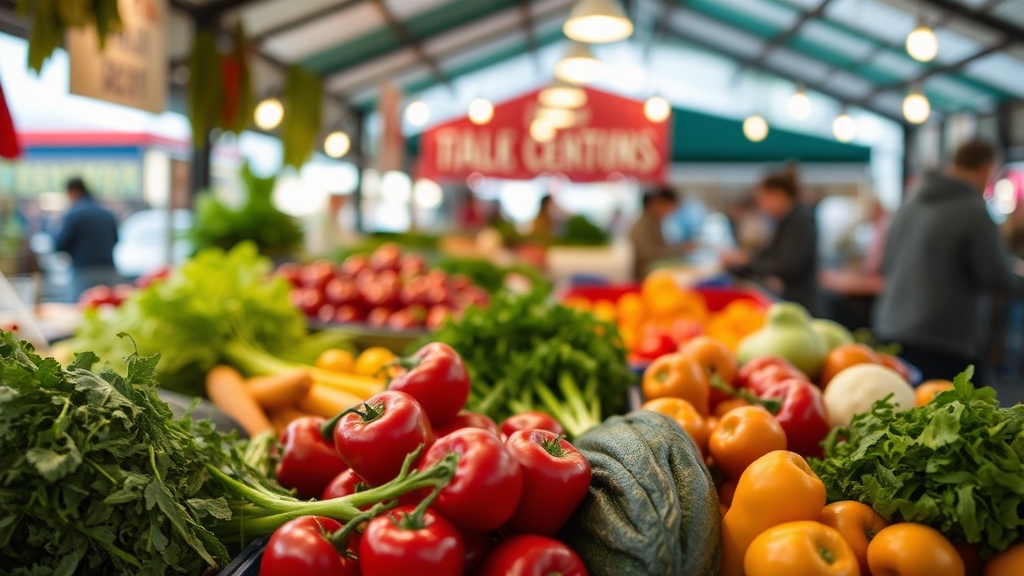
Finding the Best Local Produce at the Beloeil Market

The scent of sun-warmed basil and damp earth hangs heavy over the stalls at the Beloeil market, where the heavy crates of Quebec strawberries arrive just as the morning dew dries. You'll find that shopping for food here isn't just about a grocery list—it's about timing, knowing which farmer brings the best heirloom tomatoes, and understanding the seasonal rhythm of the Montérégie region. This guide breaks down how to shop the market like a local, ensuring you get the freshest produce while supporting our regional growers.
Beloeil is lucky. We sit in a sweet spot of the Montérégie, one of the most fertile agricultural zones in Quebec. This means we aren't just getting "good" vegetables; we're getting produce that was likely harvested just a few hours before it hits your basket. But if you show up at the wrong time or without a plan, you might find yourself staring at empty crates or overpriced leftovers.
What is the best time to visit the market in Beloeil?
The best time to visit is during the first two hours of the market opening, typically on weekend mornings, to secure the highest quality selection. If you want the cream of the crop—the perfect peaches or the most vibrant kale—you need to be there early. By mid-afterment, the most popular items often sell out, and you're left with the bruised or slightly overripe leftovers.
I've noticed a pattern over the years. If you arrive at 9:00 AM, the energy is high and the selection is peak. By 11:30 AM, the crowd thins, but so does the variety. It's a trade-off. You can go later if you're looking for a bargain, but you're essentially gambling on what's left. (And trust me, I've seen a basket of slightly soft raspberries at a great price, but it's a risk.)
For those who prefer a quieter experience, late morning is fine. But for the real enthusiasts, the early bird gets the best harvest. If you're planning a trip to the Richelieu River area, you might want to hit the market first and then enjoy a stroll by the water later in the afternoon.
Pro Tips for Seasonal Success
- Check the seasonal calendar: Don't look for corn in May; wait for the heat of July.
- Bring your own bags: Most vendors appreciate it, and it's better for the environment.
- Carry small bills: While many vendors now accept cards, cash is still king for small transactions in the local scene.
How much does local produce cost compared to grocery stores?
Local produce at the market is often slightly more expensive per unit than big-box grocery stores, but the quality and flavor profile justify the premium price. While you might pay a few cents more for a pint of blueberries, the shelf life and nutritional density are vastly superior to the long-haul shipments found in supermarkets.
It's a common misconception that local means "expensive." It's actually quite nuanced. A bag of carrots from a local farmer might be cheaper than the organic versions at a major chain, but the "premium" items like artisanal cheeses or rare heirloom varieties will naturally cost more. You're paying for the lack of transport time and the expertise of the grower.
| Product Type | Market Quality (Local) | Supermarket Quality (Standard) |
|---|---|---|
| Leafy Greens | Crisp, vibrant, high moisture | Often wilted or limp |
| Stone Fruit | Peak ripeness, heavy juice | Often underripe or mealy |
| Root Vegetables | Firm, fresh earth scent | Sometimes soft or dehydrated |
| Herbs | Intense aroma, thick stems | Faded, thin, fragile |
Think about it this way: when you buy a pint of strawberries from a local Montérégie farmer, you're getting fruit that actually tastes like strawberries. The supermarket version has often been bred for durability during shipping, not for flavor. The difference is night and day.
How can you identify high-quality vegetables?
Look for weight, color, and scent to identify the best produce. High-quality vegetables should feel heavy for their size, possess vibrant (but natural) colors, and, in the case of herbs or melons, have a distinct, pleasant aroma.
When I'm browsing, I never just grab the first thing I see. I pick up the item. If you're looking at a bell pepper, it should be firm and shiny. If it's soft or has indented skin, leave it. For root vegetables like potatoes or carrots, look for skin that isn't overly wrinkled. Wrinkled skin is a sign of moisture loss—a dead giveaway that it's been sitting around too long.
One thing to watch for is the "perfect" look. Sometimes, the most beautiful, unblemmeished produce is actually the most chemically treated or simply the least "real." Real, local produce often has slight variations in shape and size. A slightly crooked carrot is often more delicious than a perfectly straight one from a factory.
If you want to learn more about the standards of food quality and safety in Canada, the Canadian Food Inspection Agency provides excellent resources on what to expect from food production. It's a good way to understand the regulations that keep our food supply safe.
The "Touch and Smell" Test
Don't be afraid to interact with the product. If the vendor allows, give a tomato a gentle squeeze. It should be firm but give slightly under pressure. If it's mushy, move on. For melons, the scent at the stem end is your best indicator of sweetness. If it doesn't smell like anything, it won't taste like much either.
What should you bring to the market?
Always bring reusable bags, a sturdy basket, and a list of what you actually need. Organization is the difference between a quick, successful trip and a frustrated one.
I always keep a small notebook or a digital list on my phone. There is nothing worse than getting to the market and realizing you forgot to check if we were actually out of garlic. Also, a thermal bag is a game-changer. If you're buying dairy, eggs, or delicate berries, keeping them cool while you finish your shopping prevents spoilage. It's a small detail, but it matters when you're driving home in the sun.
The market is a social event as much as a shopping trip. It's an opportunity to talk to the people who grow your food. Ask them how to cook that weird vegetable you've never seen before. Most farmers are more than happy to share a recipe or a tip on how to store their produce to make it last longer. This is the part of the experience that a grocery store simply cannot replicate.
For more information on local agricultural practices and seasonal availability, the Agrimonde website offers deep insights into the Quebec agricultural economy and trends. It's a great resource if you want to understand the broader context of what's happening in our fields.
Whether you're looking for the perfect peach for a summer dessert or just want to support the hardworking families in our community, the Beloeil market is a cornerstone of our local life. It's a place where quality meets community, one basket at a time.
Steps
- 1
Arrive Early for Selection
- 2
Check Seasonal Availability
- 3
Ask Producers About Harvest Dates
- 4
Bring Reusable Bags